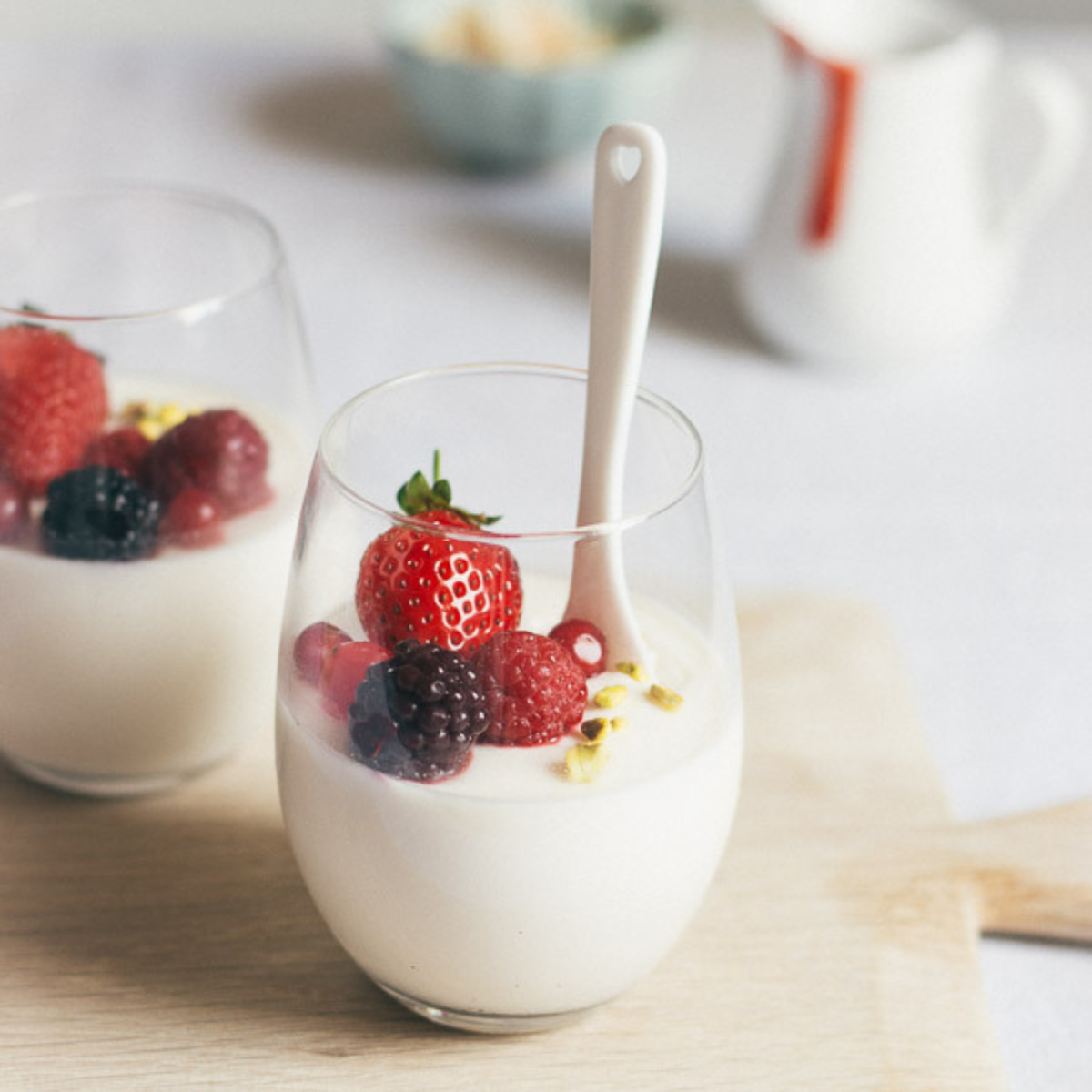
The culinary world often presents desserts that appear intimidatingly complex, reserved only for seasoned pastry chefs. Yet, tucked away in the heart of Italian cuisine is a dessert that elegantly defies this notion: panna cotta. This Italian 'cooked cream' is a marvel of simplicity, demanding just a handful of everyday ingredients and minimal active effort, yet delivering a dessert experience that is nothing short of luxurious. Imagine a delicate, creamy custard, quivering gently on your plate, promising to melt into a flood of vanilla-kissed goodness with every spoonful. This is the magic of panna cotta, and it’s far easier to achieve than you might think.
What Exactly is Panna Cotta?
At its core, panna cotta is an eggless custard dessert, hailing from Italy. The name itself, "panna cotta," literally translates to "cooked cream," which perfectly encapsulates its essence. Unlike traditional custards that rely on eggs for setting, panna cotta achieves its signature silky smooth, wobbly consistency through the judicious use of gelatin. It’s a delightful paradox: a dessert that feels incredibly rich and indulgent, yet isn't overly sweet or heavy, making it an ideal ending to even the most substantial meal.
This dessert has graced countless restaurant menus and dinner party tables, revered for its elegant presentation and delightful texture. Its popularity is understandable – it's a testament to how simple, high-quality ingredients can combine to create something truly extraordinary. Whether served in individual ramekins, shot glasses, or dramatically unmolded onto a plate, panna cotta consistently impresses with its understated sophistication.
The Simple Ingredients Behind Silky Perfection
One of the most appealing aspects of panna cotta is its incredibly short ingredient list. You don't need exotic items or a trip to a specialty store; everything required is likely already in your pantry or easily accessible at any grocery store. The fundamental components are:
- Heavy Cream: This is the soul of panna cotta, providing its characteristic richness and creamy texture. While some recipes might blend in a little milk to lighten it, good quality heavy cream is non-negotiable for that decadent mouthfeel.
- Milk: Often used in conjunction with heavy cream, milk helps to balance the richness and creates a slightly lighter texture without sacrificing creaminess. The ratio of cream to milk can be adjusted to personal preference – more cream for a richer panna cotta, more milk for a lighter version.
- Granulated Sugar: Providing the perfect touch of sweetness, sugar dissolves into the warm cream mixture. The beauty of panna cotta is that it’s not meant to be cloyingly sweet, allowing the other flavors to shine.
- Vanilla: This aromatic ingredient is paramount for classic panna cotta. For an authentic flavor profile and those beautiful black speckles, vanilla bean paste or a scraped vanilla bean is highly recommended. If you're "going for gold," steeping a whole vanilla bean in the milk and cream mixture infuses an unparalleled depth of flavor. High-quality vanilla extract can also be used, though it might lack the visual appeal of the specks.
- Gelatin: The unsung hero! Gelatin is what gives panna cotta its unique set and wobble. It's a thickening agent, typically sold as unflavored powder or sheets. Don't fear working with gelatin – it's surprisingly straightforward. One envelope of powdered gelatin typically ranges from ¼ to ½ ounce (7-14g), while a single sheet is often around 1 teaspoon (5g). The correct amount of gelatin is crucial for that perfect "quiver" – too little, and it won't set; too much, and it becomes rubbery.
Mastering the Art of Panna Cotta: Step-by-Step
Making panna cotta is less about "cooking" and more about gentle heating and careful mixing. The process is deceptively simple, but a few key steps ensure consistently perfect results:
- Bloom the Gelatin: This is the critical first step. Sprinkle the powdered gelatin over a small amount of cold liquid (usually milk or water). Let it sit for 5-10 minutes until it hydrates and softens, forming a wobbly gel. This process ensures the gelatin dissolves smoothly without lumps.
- Gently Heat the Cream Mixture: In a saucepan, combine the heavy cream, milk, sugar, and vanilla (if using a vanilla bean, steep it here). Heat over medium-low heat, stirring occasionally, until the sugar dissolves and the mixture is warm but not boiling. Do not let it come to a rolling boil, as this can affect the cream's texture and potentially weaken the gelatin's setting power.
- Dissolve the Gelatin: Remove the warm cream mixture from the heat. Add the bloomed gelatin and stir continuously until it is completely dissolved. Ensure there are no granules remaining.
- Chill Before Pouring (Pro Tip!): This is a less common but incredibly effective step for a fail-safe panna cotta. Allow the mixture to cool slightly at room temperature, stirring occasionally, before pouring it into your molds. This crucial step helps to suspend vanilla seeds evenly throughout the mixture and reduces the risk of the cream and milk separating as it sets, ensuring a homogenous, silky texture.
- Prepare Your Molds: Lightly oiling your molds – whether they are ramekins, small glasses, or decorative silicone molds – with a neutral oil or a non-stick spray is paramount if you plan to unmold your panna cotta. This simple step ensures a smooth release and prevents any frustrating sticking.
- Pour and Chill: Carefully pour the cooled panna cotta mixture into your prepared molds. Transfer them to the refrigerator and chill for at least 4-6 hours, or preferably overnight, until fully set and firm. For information on making panna cotta ahead of time, check out Stress-Free Dinner Parties: How to Make Panna Cotta Ahead of Time.
Unlocking Panna Cotta's Versatility: Beyond the Basics
While classic vanilla panna cotta is undeniably delightful, its simple base makes it a fantastic canvas for culinary creativity. Chefs and home cooks alike adore its adaptability, allowing for endless variations in flavor and presentation.
Flavor Variations:
- Coffee or Espresso: Infuse the cream with instant espresso powder or a shot of strong espresso for a sophisticated, slightly bitter contrast.
- Citrus: Add lemon or orange zest to the heating cream mixture for a bright, refreshing twist.
- Spices: Cinnamon sticks, star anise, or cardamom pods can be steeped in the cream, then strained out, for an aromatic panna cotta.
- Chocolate: Melt in some good quality dark chocolate for a rich, indulgent chocolate panna cotta.
- Fruit Purees: Swirl in fruit purees like raspberry, mango, or passion fruit either into the base or as a vibrant topping.
Toppings and Garnishes:
The right topping can elevate your panna cotta from simple to spectacular.
- Fresh Berries: A timeless classic! Strawberries, raspberries, blueberries, or a mix of seasonal berries provide a fresh, tart counterpoint to the creamy sweetness.
- Fruit Compotes: Cooked fruit sauces, like a berry compote or a roasted peach sauce, add warmth and depth.
- Chocolate Sauce or Shavings: A drizzle of dark chocolate sauce or elegant curls of chocolate create a decadent finish.
- Caramel or Butterscotch Sauce: For those who love an extra layer of sweetness and sticky texture.
- Whipped Cream: A dollop of lightly sweetened whipped cream adds another layer of luxurious texture.
- Nuts or Toasted Coconut: A sprinkle of toasted almonds, pistachios, or coconut flakes offers a delightful crunch.
- Edible Flowers or Mint Sprigs: For a touch of visual elegance.
Troubleshooting Common Panna Cotta Questions
Even with its simplicity, a few common questions arise when making panna cotta. Knowing the answers can help you achieve perfect results every time.
- Why is my panna cotta too soft or too firm? This is almost always a gelatin ratio issue. Too little gelatin, and it won't set firmly enough, resulting in a runny dessert. Too much, and it becomes rubbery and loses its delicate wobble. Always measure your gelatin precisely.
- Why did my panna cotta separate? This can happen if the mixture is too hot when poured into molds, especially if there's a significant temperature difference. It can also occur if the cream and milk fats separate. The earlier tip about chilling the mixture slightly before pouring helps immensely with this.
- How do I get it out of the mold? If you've lightly oiled your molds, it should slip out easily. For extra stubborn cases, briefly dip the bottom of the mold in warm (not hot) water for 10-15 seconds. This gently loosens the edges, allowing you to invert it onto a plate with ease.
- Can I make it vegan? Absolutely! Agar-agar, a plant-based gelling agent derived from seaweed, is an excellent substitute for gelatin. The ratio might differ, so always follow the specific instructions for agar-agar in a vegan panna cotta recipe.
The Secret to Panna Cotta Success: Pro Tips and Tricks
Achieving that restaurant-quality panna cotta at home hinges on a few simple, yet crucial, techniques. These are the "secrets" that ensure your dessert is always silky smooth, beautifully set, and full of flavor:
- Don't Skip Blooming Gelatin: This step is non-negotiable. It ensures the gelatin dissolves properly and distributes evenly, preventing lumps and ensuring a consistent set.
- Gentle Heat is Key: Never boil your cream mixture. High heat can cause the cream to scorch, alter the texture, and negatively impact the gelatin's setting ability. Warm it just enough to dissolve the sugar and gelatin.
- Stir Until Fully Dissolved: Whether it's the sugar or the bloomed gelatin, ensure everything is completely dissolved into the warm cream mixture. Undissolved sugar can create a grainy texture, and undissolved gelatin will lead to an uneven set.
- The Cooling Pause: As mentioned, chilling the mixture slightly before pouring into molds is a game-changer. It helps suspend vanilla bean flecks beautifully and significantly reduces the risk of separation, especially important for that picture-perfect presentation.
- Always Lightly Grease Molds: If you intend to unmold your panna cotta, a quick spray or wipe with a neutral oil is your best friend. It makes the unmolding process stress-free and ensures a clean release.
- Allow Ample Chill Time: Patience is a virtue here. While it might seem set after a few hours, panna cotta truly benefits from an overnight chill. This allows the gelatin to fully firm up and the flavors to meld, resulting in the best possible texture and taste. For more deep dives into its make-ahead magic, check out Stress-Free Dinner Parties: How to Make Panna Cotta Ahead of Time. To truly master the delicate balance of ease and elegance, explore The Secret to Panna Cotta: Easy, Elegant & Make-Ahead Perfection.
Panna cotta is truly demystified when you understand these foundational principles. It’s a testament to the fact that elegance in dessert doesn't have to equate to complexity. With simple ingredients and a few careful steps, you can create a show-stopping dessert that will impress without the stress. So, go ahead, gather your ingredients, and prepare to delight in the silky smooth, quivering perfection of homemade panna cotta.
